The world is seeing more asylum seekers as the effect of political conflicts and climate change and the situation looks set to continue this path.
Forcibly displaced people worldwide at mid-2022 - UNHCR
of border walls and fences in 2021.
More than twice the diameter of Earth.
Between 2000 and 2021, the number of completed, started or announced border walls in the world more than quintupled, from 16 to more than 90 wall complexes.
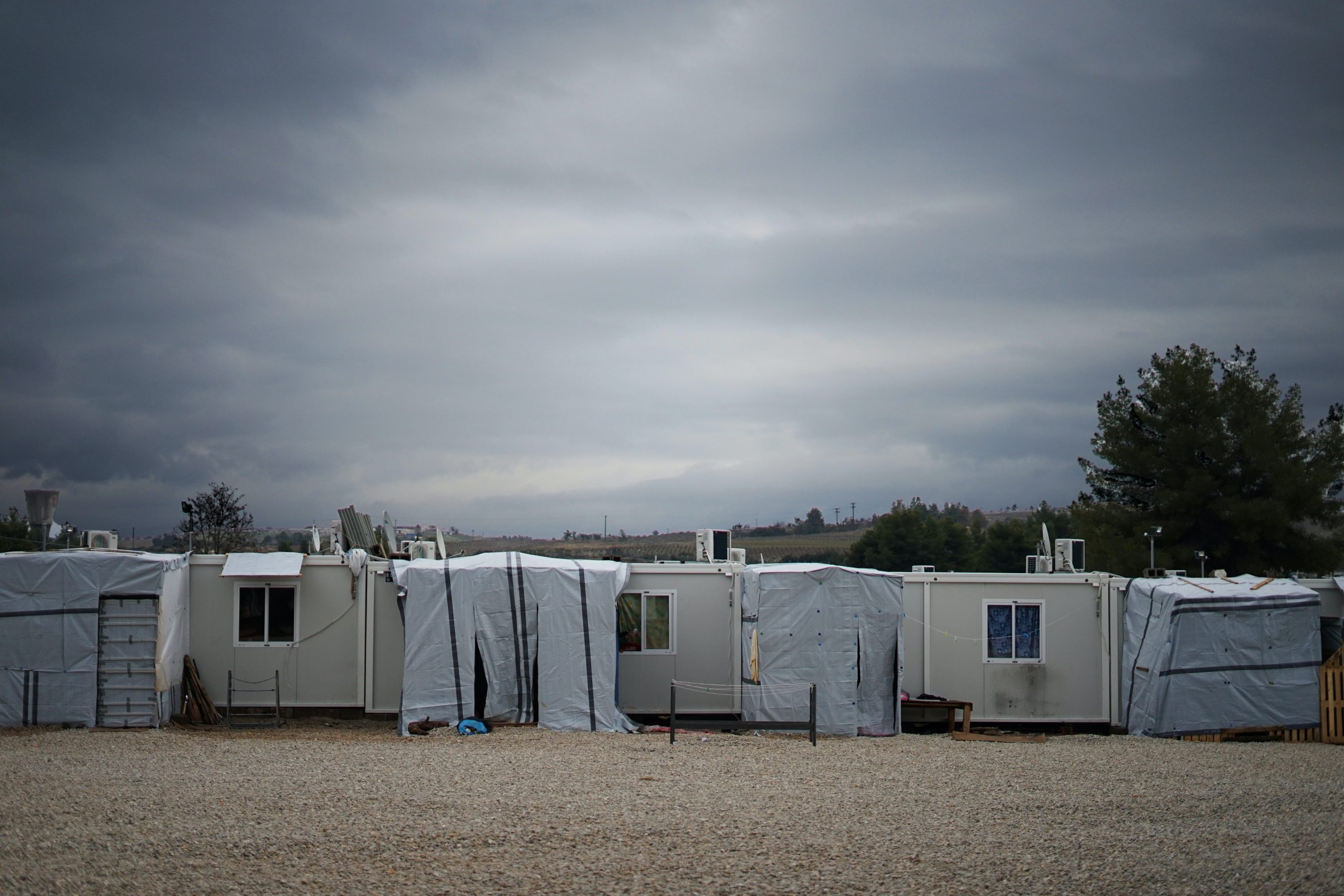
Migrant deaths and borders have been ongoing for decades but recent trends show the great escalation of the phenomenon.
Border walls and fences have proven ineffective while causing asylum seekers to take greater risks on their journey to surround border controls thus increasing deaths and criminal networks.
Europe's political approach to borders and migration is showing its limits in times of crisis. Our deterrence policies, surveillance, militarization, walls, and fences, are simply pushing us further from addressing the core challenges, from treating the illness and not only the symptoms.
More recently, 5.3 million Ukrainians have entered the EU since the beginning of the invasion. Despite a fast-track procedure put in place by the European Commission, backlogs are increasing brutally causing on average more than 15 months of delays in application procedures.

Administrative structures are challenged by the fluctuating numbers of applicants
The number of asylum seekers can fluctuate drastically as it is highly dependent on crisis situations such as conflicts, political instabilities, and climate change. Our systems are not yet designed to be resilient and highly adaptive to these unpredictable changes thus creating high backlogs, generating complexity, and slowing procedures.
While

Asylum seekers are falling into limbo and facing the administrative complexity
In the EU, an asylum application procedure takes on average 9.5 months (1). During this time asylum applicants are often not authorized to work thus slowing their integration.
While facing the complexity of administrative procedures, the lack of guidance and information is making their journey thus more complicated.

Long integration processes are straining administrations and economies
The difficulty to truthfully connect refugees with integration opportunities has an impact on our economies. While asylum applicants are in limbo, our societies are waiting too. As stated in a report from the European Commission (1): "the earlier and better the integration, the more likely it is that legally-residing, third-country nationals — regardless of their reasons for coming to the EU — will make a positive contribution to growth and public finances in the medium term."
While
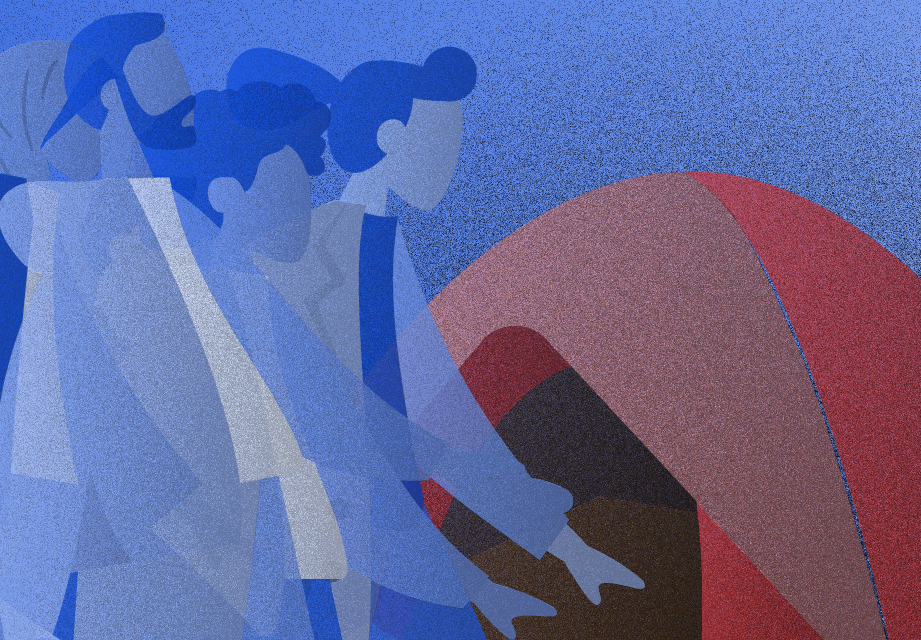
The challenge of integration puts asylum seekers in difficult social and economical situations
The challenge of integration and access to the necessary tools and resources, and the inability to access the work market while waiting for their refugee status place many asylum seekers in social and financial difficulties. The lack of integration in both our social and work environment then encourages informal economies and criminal networks to take the opportunities we missed.

The low success of integration fosters the electoral success of nationalist parties
A report from EconPol Europe demonstrates that the increase in immigration increases the electoral success of extreme right-wing parties. The report suggest that the degree of economic and social integration of immigrants plays an important role in the formation of anti-immigrant sentiment. "Fostering integration should therefore reduce negative attitudes toward immigrants and preserve national cohesion".
While

Asylum seekers are facing hate speeches and social exclusion
The growth of anti-immigrant sentiment and ideologies is normalizing hate speeches and attitudes towards immigrants in Europe. Exclusion creates another barrier to a qualitative and long term integration is societies and disrupts national cohesion.